The disease
Type 1 diabetes is a chronic condition where the pancreas produces little or no insulin, the hormone responsible for regulating blood sugar. It often develops in children or young adults, but it can occur at any age. Unlike Type 2 diabetes, Type 1 is an autoimmune condition, meaning the body’s immune system mistakenly attacks the insulin-producing cells.
Causes of Type 1 Diabetes
The exact cause of Type 1 diabetes is unknown, but it’s believed to be a combination of genetic predisposition and environmental triggers (e.g., viral infections). It is not caused by lifestyle factors like poor diet or lack of exercise.
The natural history of the disease – Without treatment
Without insulin treatment, Type 1 diabetes can quickly lead to life-threatening complications, such as diabetic ketoacidosis (DKA), which results from very high blood sugar levels. Long-term untreated Type 1 diabetes leads to serious damage to the eyes, kidneys, nerves, heart, and other organs.
How Type 1 diabetes is managed – treated
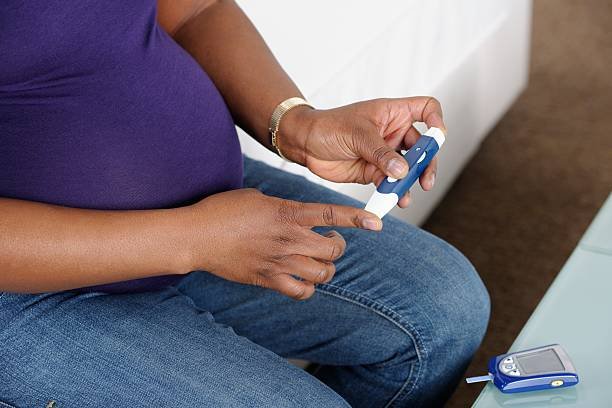
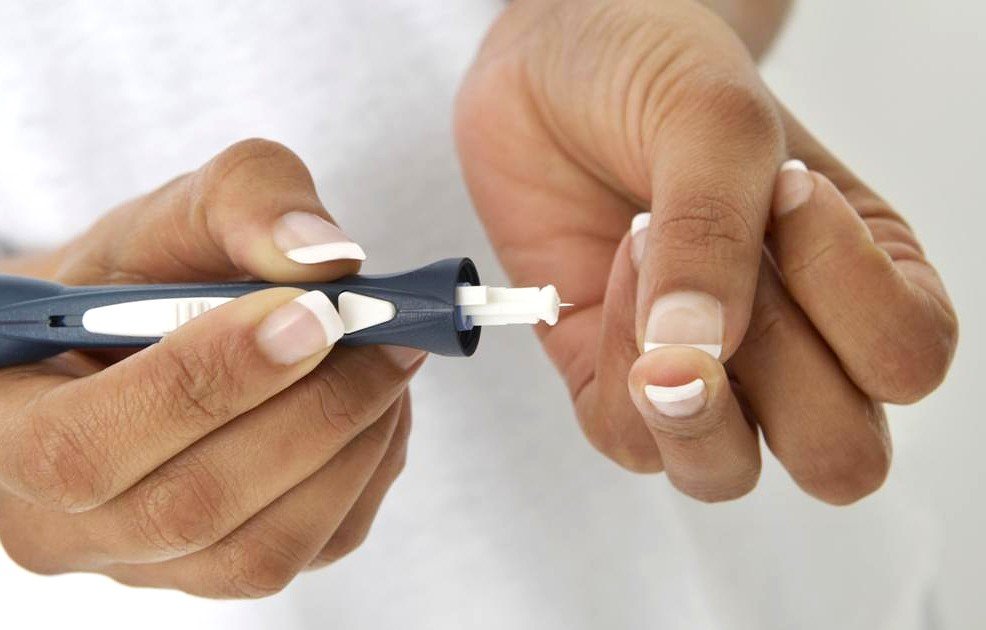
Management involves lifelong insulin therapy, either through injections or an insulin pump. Blood sugar levels must be monitored regularly using a glucose meter or continuous glucose monitoring (CGM) devices. Proper management also includes a healthy diet, regular exercise, and periodic medical check-ups to prevent complications.
The key risk factors of Type 1 diabetes
Family History: Having a parent or sibling with Type 1 diabetes increases the risk.
- Genetics: Certain genes make people more susceptible.
- Geography: Incidence is higher in certain regions, like northern Europe.
- Age: Type 1 diabetes often appears during childhood or adolescence.
Complications if untreated or poorly treated
Untreated or poorly managed Type 1 diabetes can lead to:
- Heart Disease: With an increased risk of heart attack and stroke.
- Kidney Damage: Can result in kidney failure. This complication is the most common reason why patients need dialysis in sub-Saharan Africa.
- Eye Damage: Risk of blindness due to diabetic retinopathy.
- Nerve Damage: Leads to pain, numbness, or mobility issues.
- Diabetic Ketoacidosis (DKA): A dangerous complication where the body produces high levels of ketones, which can lead to coma or death.
Most Important actions needed to be taken
By Everyone – young and old:
- Be aware of symptoms like excessive thirst, frequent urination, unexplained weight loss, and fatigue.
- Maintain a balanced diet and regular exercise to promote overall health.
- Encourage children to stay active and maintain healthy habits.
By those already affected:
- Take insulin as prescribed.
- Monitor blood sugar levels regularly.
- Work closely with healthcare providers to adjust treatment plans as needed.
- Attend regular diabetes check-ups and screenings for complications.
Remember
Type 1 diabetes is a serious, lifelong condition, but with proper management, people with this condition can lead full, healthy lives. Early diagnosis and effective treatment are critical to preventing severe complications and maintaining quality of life.