What is hypertension?
Hypertension, or high blood pressure, occurs when the force of blood against the walls of your arteries is consistently too high.
It is often called the “silent killer” because it can exist for many years – even decades, without symptoms while damaging the body.
Causes hypertension
Hypertension can be primary (it is then referred to, as essential hypertension) or secondary.
- Primary Hypertension has no identifiable cause and develops gradually over the years, often linked to genetic factors and aging.
- Secondary Hypertension is caused by underlying conditions such as kidney disease, thyroid disorders, or certain medications.
The natural history of the hypertension - Without effective treatment
Without treatment, hypertension silently progresses, damaging arteries and leading to complications like heart disease, kidney failure, stroke, and vision loss.
Over time, damage to these organs becomes irreversible
How is hypertension managed - Treated?
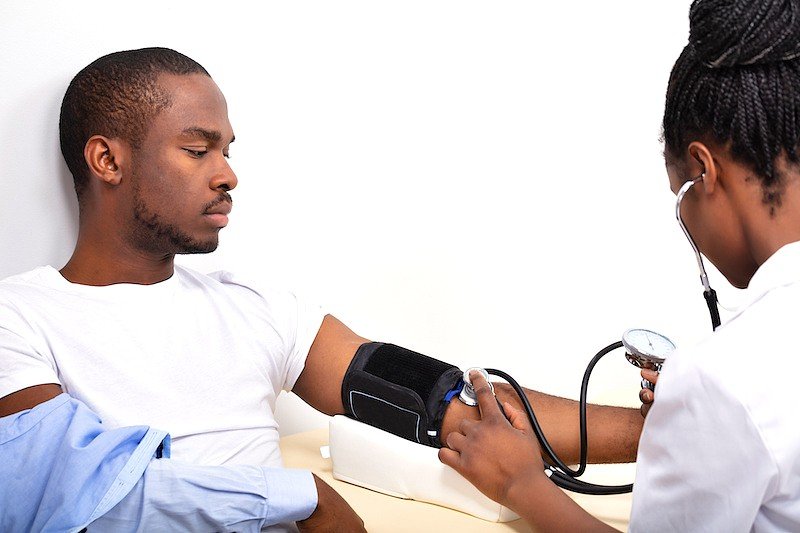
Hypertension management includes lifestyle changes and medications. Treatment aims to lower blood pressure and prevent complications, often requiring long-term commitment. Medications (e.g., diuretics, angiotensin-converting enzyme inhibitors, etc.) control blood pressure, while regular monitoring is crucial.
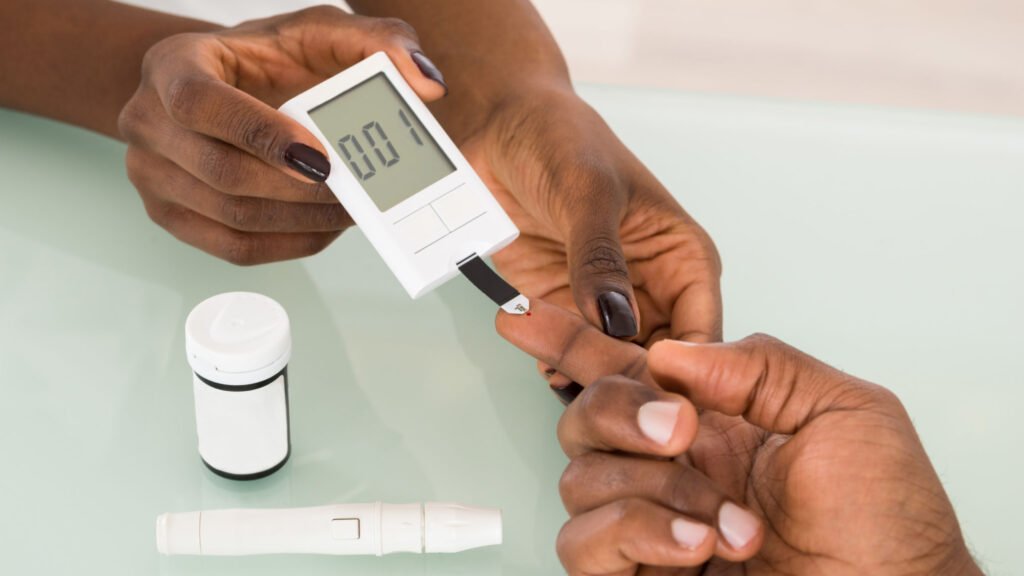
Blood sugar levels must be regularly monitored as well, and patients need periodic check-ups to adjust treatments and screen for complications.
Key risk factors for hypertension - what puts you at risk of the disease
- Age: Risk increases with age.
- Family History: Genetics plays a role.
- Obesity: Excess weight strains the heart, and may eventually lead it to fail (heart failure), or to stop (heart attack).
- Sedentary Lifestyle: Lack of physical activity increases the risk of hypertension.
- Diet: High salt intake, low potassium, and alcohol abuse are common causes or major contributors.
- Smoking: Damages blood vessels and as a result, raises blood pressure.
Complications if untreated or poorly treated
The many complications of hypertension
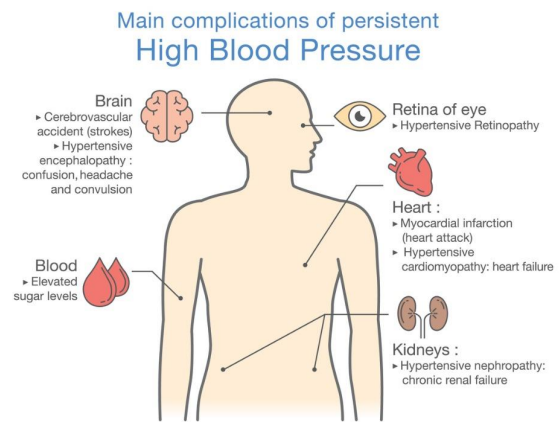
Untreated or poorly manged hypertension ultimately leads to:
- Heart Disease: Heart attack, heart failure.
- Stroke: Damaged arteries lead to brain hemorrhage or clotting.
- Kidney Damage: High blood pressure can cause kidney failure.
- Vision Loss: Due to blood vessel damage in the eyes.
The most important actions needed to be taken
For everyone – including seemingly healthy people:
- Maintain a healthy weight.
- Eat a balanced diet (reduce salt, increase fruits/vegetables).
- Exercise regularly (150 minutes/week or 25-30min a day of moderate activity).
- Limit alcohol and quit smoking.
- Manage stress effectively.
For those already affected:
- Take prescribed medications regularly.
- Monitor blood pressure at home.
- Attend regular check-ups.
- Address and control other risk factors (e.g., diabetes).
Remember
Hypertension is preventable and manageable with lifestyle changes and proper medical care.
Early detection and consistent treatment can prevent severe complications.
Everyone, whether affected or not, must take steps to maintain healthy blood pressure.